Santa Paulina: A Sacred 3D Design
When we think about integrating faith into our creative spaces, the conversation often stops at traditional statues or printed icons. However, the rise of accessible manufacturing technology has opened a new avenue for spiritual expression. The Santa Paulina 3D model represents a unique intersection of devotion and modern craftsmanship. As the first saint canonized in Brazil, Santa Paulina holds a special place in the hearts of many, symbolizing humility, care for the sick, and unwavering faith. Translating this profound legacy into a digital format requires more than just technical skill; it demands a deep respect for the subject matter.
This digital asset is not merely a geometric shape; it is a carefully constructed representation designed to capture the essence of the saint. For designers, hobbyists, and small business owners specializing in religious artifacts, understanding the nuances of this model is crucial. It offers a tangible way to bring spiritual comfort into homes and communities, bridging the gap between traditional iconography and contemporary making.
Visual Characteristics and Artistic Appeal
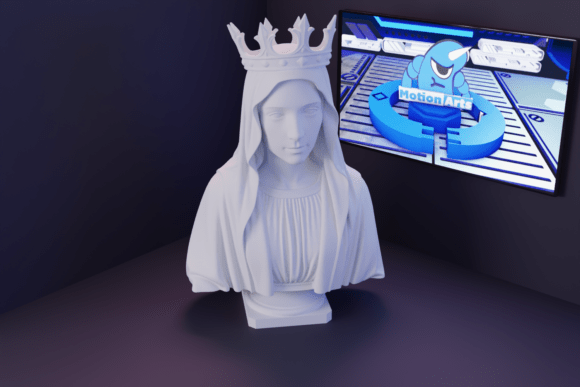
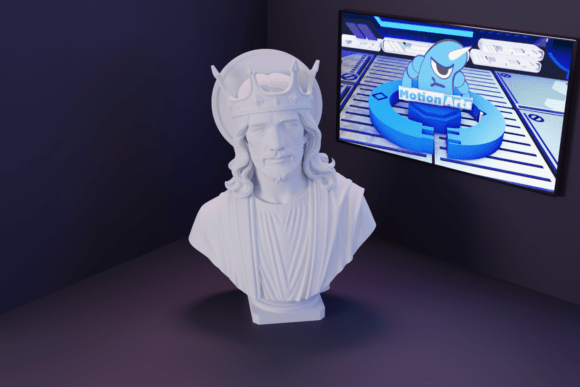
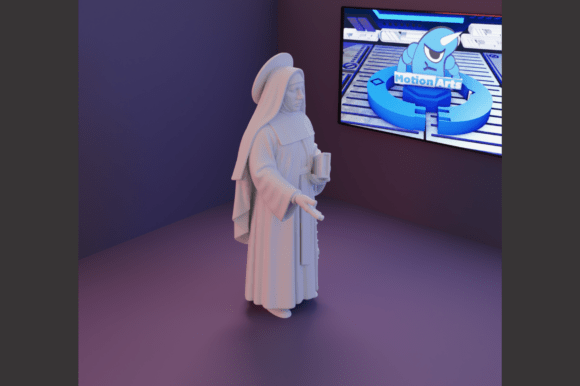
The visual language of the Santa Paulina STL file is defined by its delicate balance between realism and stylized reverence. Unlike mass-produced resin figures that often lack depth, this model was developed with a focus on intricate details that survive the translation from screen to physical object. The design captures the traditional imagery associated with the saint—her modest habit, her serene expression, and the symbolic elements that denote her life’s work.
From a design perspective, the model avoids excessive complexity that could compromise structural integrity during printing. Instead, it relies on clean lines and thoughtful topology. This approach ensures that the final print retains a sense of elegance without requiring an industrial-grade printer. The "delicacy" mentioned in the file description is achieved through subtle curvature and proportion rather than fragile, thin protrusions that are prone to breaking.
For those interested in brand identity within the religious sector, this aesthetic is vital. It conveys professionalism and respect. A poorly designed 3D model can look jagged or cartoonish, which may detract from the spiritual gravity of the subject. In contrast, this optimized design maintains a dignified presence, making it suitable for display in private chapels, community centers, or as part of a curated home decor collection.
Practical Applications for Creators and Entrepreneurs
The versatility of the Santa Paulina digital file extends beyond personal devotion. For entrepreneurs and crafters, it serves as a foundational design asset that can be adapted for various commercial and personal projects. Here is how different professionals can leverage this model:
- Religious Gift Shops: Small business owners can offer customized prints. By experimenting with different filaments—such as marble-effect PLA or warm wood-filled materials—you can create products that feel premium and handcrafted, distinguishing your offerings from generic imports.
- Interior Designers: Incorporating spiritual elements into home decor is a growing trend. This model can be scaled and finished to match specific interior styles, from minimalist modern to rustic traditional, providing clients with a personalized touch of faith.
- Educational Institutions: Schools and catechism groups can use the printing process as an educational tool. Students can learn about 3D modeling, slicing software, and the history of Santa Paulina simultaneously, merging STEM education with cultural heritage.
- Event Planners: For religious festivals or canonization anniversaries, these models can be produced in batches as commemorative items. Their lightweight nature makes them easy to distribute compared to heavy ceramic or stone alternatives.
It is important to note that while the file is ready for printing, the final outcome depends heavily on your setup. This is where the creator’s expertise meets the user’s skill. Understanding your printer’s capabilities is key to delivering a high-quality product that honors the subject.
Technical Considerations and Printing Best Practices
Working with an AI-generated 3D design like this requires a mindful approach to preparation. While the file is optimized, "optimized" does not mean "universal." Every 3D printer behaves differently based on age, calibration, and environmental conditions. To ensure the best results, consider the following technical guidelines:
Slicer Settings and Orientation: Before hitting print, always review the model in your slicer software. The orientation of Santa Paulina on the build plate will significantly affect surface quality. Typically, positioning the figure to minimize overhangs on the face and hands is advisable. Support structures may be necessary for certain angles, particularly if the saint’s arms are extended or if there are detailed folds in the clothing. Use tree supports if available, as they are easier to remove and leave fewer marks on the model.
Material Selection: The choice of material influences both the aesthetic and the durability of the piece. For a classic look, white or cream-colored PLA works well. If you aim for a more artistic, sculpture-like appearance, consider using matte filaments that hide layer lines effectively. For outdoor installations or areas with higher temperature fluctuations, PETG or ABS might be more appropriate, though they require enclosed printers and careful ventilation.
Post-Processing: The raw print is just the beginning. Sanding, priming, and painting can elevate the model from a prototype to a masterpiece. If you plan to sell these items, investing time in post-processing is essential for perceived value. A smooth finish allows for detailed hand-painting, enabling you to replicate the traditional colors of Santa Paulina’s habit with accuracy.
Evaluating Fit and Licensing for Commercial Use
Before integrating this model into your workflow, it is essential to understand the licensing terms. Since this is a digital product, the rights to use it commercially may vary depending on the platform where it was purchased or downloaded. Always verify whether the license allows for the sale of physical prints. Many creators offer separate licenses for personal and commercial use.
Furthermore, consider your audience. If you are targeting a demographic that values authenticity, transparency about the production method is key. Marketing these items as "3D printed devotional art" sets the right expectation. It highlights the modern technique while respecting the traditional subject. This honesty builds trust with your customers, who appreciate knowing exactly what they are buying.
In terms of font pairing and branding—if you are creating packaging or marketing materials for these prints—choose typography that complements the serene nature of the model. A clean serif font can evoke tradition and reliability, while a soft sans serif font might suggest modernity and accessibility. Avoid overly decorative or aggressive typefaces that clash with the peaceful imagery of Santa Paulina.
Ultimately, the Santa Paulina STL file is more than just data; it is a tool for expression. Whether you are a designer looking to expand your portfolio, a marketer seeking meaningful products, or a believer wanting to deepen your spiritual practice, this model offers a respectful and beautiful way to engage with faith through technology. By paying attention to detail, respecting the subject, and mastering the technical aspects of 3D printing, you can create pieces that truly inspire.