Evaluating the Visual Impact of 3D Badges and Games Symbols Icons
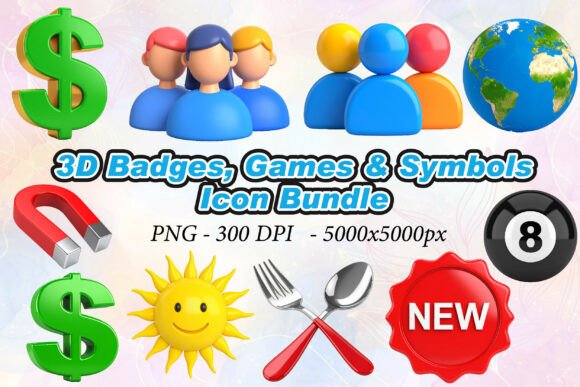
In the current landscape of digital design, flat aesthetics are increasingly sharing space with dimensional, tactile visuals. As user interfaces evolve and marketing materials compete for attention in saturated feeds, the demand for assets that offer depth and realism has grown significantly. This is where a curated collection of 3D Badges, Games Symbols Icons becomes a critical resource for designers, marketers, and content creators. These assets are not merely decorative; they serve as functional visual cues that can enhance user engagement, clarify navigation, and elevate brand perception. Understanding the technical specifications and practical applications of high-quality 3D icons is essential for anyone looking to maintain a competitive edge in visual communication.
The Technical Foundation of High-Resolution Assets
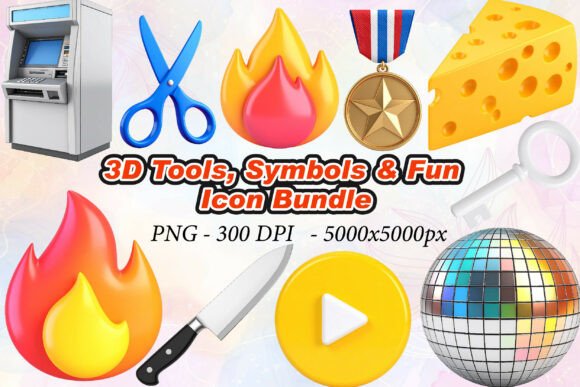
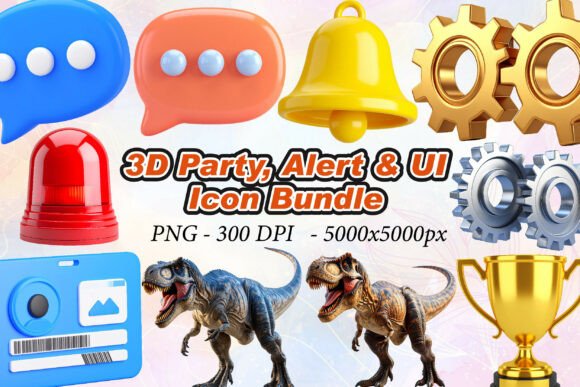
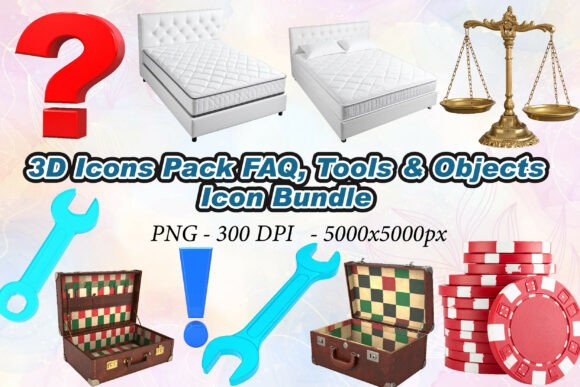
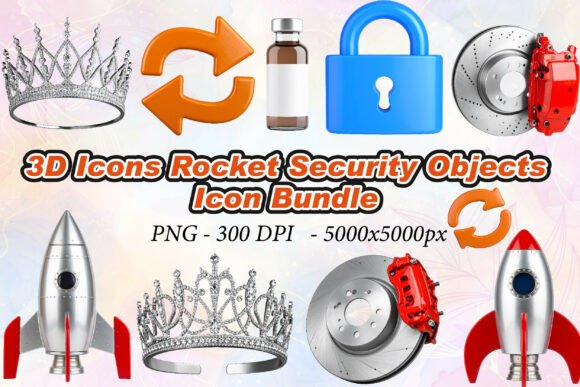
When evaluating any digital asset library, the first consideration must be technical fidelity. Many free or low-cost icon sets suffer from compression artifacts, limited resolution, or inconsistent lighting, which restricts their usability to small web thumbnails. In contrast, a professional-grade collection of 3D icons rendered at 5000x5000 pixels with a 300 DPI resolution offers a level of flexibility that is rare in standard stock libraries. This high resolution ensures that every curve, shadow, and highlight remains crisp, regardless of how the image is scaled.
The inclusion of a transparent background in PNG format is equally vital. It eliminates the need for time-consuming manual editing or complex masking processes. For professionals working under tight deadlines, the ability to drag and drop an asset directly into a composition without worrying about background removal is a significant workflow efficiency. This "ready-to-use" nature allows creators to focus on layout and messaging rather than tedious technical adjustments. Whether the final output is a high-density retina display, a large-format print banner, or a social media story, the integrity of the image remains intact.
Versatility Across Digital and Print Media
One of the most compelling arguments for investing in a high-quality 3D icon set is its cross-medium versatility. Traditionally, web graphics and print materials required different asset preparations due to resolution and color space differences. However, a 5000x5000 px PNG at 300 DPI bridges this gap effectively. For digital projects, such as website headers, mobile app interfaces, or email newsletters, these icons can be scaled down to any size while retaining sharpness. The vibrant colors and modern rendering style ensure they stand out against both light and dark modes, enhancing readability and aesthetic appeal.
In the realm of print design, the value proposition is even stronger. Marketing materials like brochures, business cards, posters, and packaging often require high-resolution imagery to avoid pixelation. A 3D badge or game symbol rendered with precision can serve as a focal point on a physical product, adding a sense of premium quality. The depth and lighting effects inherent in 3D design translate well to print, providing a tactile feel that flat vectors sometimes lack. This dual utility means that a single purchase can serve multiple departments within an organization, from the digital marketing team to the print production unit.
Enhancing User Experience and Brand Identity
Beyond technical specifications, the stylistic choice of 3D icons plays a crucial role in user experience (UX) and brand identity. Modern 3D designs, characterized by soft shadows, realistic textures, and vibrant color palettes, convey a sense of approachability and innovation. For gaming platforms, tech startups, or educational apps, using Games Symbols Icons that mimic real-world objects can make abstract concepts more tangible. For instance, a 3D trophy icon for achievements feels more rewarding than a flat silhouette, potentially increasing user motivation and engagement.
Consistency is another key factor. A well-designed collection ensures that all icons share the same lighting direction, perspective, and material properties. This visual coherence helps establish a strong brand identity. When users encounter consistent visual language across different touchpoints—whether it’s a mobile app, a social media ad, or a presentation deck—it builds trust and recognition. Randomly sourced icons from various free repositories often clash in style, creating a disjointed user experience. A unified 3D collection mitigates this risk, providing a polished and professional look that aligns with contemporary design trends.
Practical Applications for Professionals and Creators
The utility of these icons extends across a wide spectrum of professional roles. For web and app developers, these assets can replace custom-coded CSS shapes or SVG animations, saving development time while achieving a high-end look. For digital marketers, they offer eye-catching elements for social media graphics, advertisements, and email campaigns. The vibrant nature of 3D icons tends to perform well in algorithm-driven feeds where visual stop-power is crucial.
Educators and instructional designers can also benefit significantly. Complex ideas can be simplified using recognizable 3D symbols. For example, a 3D lock icon can represent security protocols, while a 3D book can denote learning modules. The clarity and distinctiveness of these icons aid in cognitive processing, making educational materials more effective. Similarly, small business owners and freelancers who may not have access to large design teams can use these pre-rendered assets to create professional-looking branding materials without hiring a 3D artist.
Considerations for Effective Implementation
While the benefits are substantial, effective implementation requires thoughtful integration. Designers should be mindful of file sizes. Although PNGs with transparent backgrounds are convenient, a 5000x5000 px file can be large. For web use, it is advisable to compress the images appropriately or use them only where high resolution is necessary, such as hero sections or print exports. For smaller UI elements, scaling them down before export can optimize load times without sacrificing visible quality.
Additionally, context matters. While 3D icons are trendy, they may not suit every brand voice. Minimalist, corporate, or highly traditional brands might find the vibrant, playful nature of some 3D styles incongruent with their identity. It is essential to evaluate whether the aesthetic aligns with the overall brand guidelines. However, for brands aiming to appear modern, dynamic, and user-friendly, these icons are an excellent fit. Testing different variations within the collection can help determine which specific styles resonate best with the target audience.
Long-Term Value and Workflow Efficiency
Investing in a comprehensive library of 3D Badges, Games Symbols Icons is not just about immediate project needs; it is about building a sustainable design resource. Having a reliable go-to source for high-quality icons reduces the time spent searching for suitable assets. It also ensures that future projects maintain visual consistency with past work. Over time, this efficiency translates into cost savings and faster turnaround times, which are critical in fast-paced creative environments.
Moreover, as design trends continue to shift towards more immersive and interactive experiences, possessing a library of 3D assets positions creators ahead of the curve. These icons can be easily adapted for emerging formats, such as augmented reality (AR) previews or interactive presentations. The high resolution and detailed rendering provide a solid foundation for further customization if needed, allowing designers to tweak colors or add effects while maintaining the core structural integrity of the icon.
In conclusion, the decision to incorporate high-resolution 3D icons into your design toolkit should be driven by a desire for quality, efficiency, and modern aesthetic appeal. By choosing assets that offer technical excellence and stylistic consistency, professionals can enhance their visual communication across both digital and print mediums. Whether you are designing a new mobile interface, launching a marketing campaign, or creating educational content, these 3D elements provide the depth and professionalism needed to make a lasting impression.