Crucifixo: Evaluating 3D Printed Religious Art for Devotion and Decor
The Crucifixo stands as one of the most recognizable and profound symbols within the Christian faith. Traditionally crafted from wood, metal, or stone, this representation of the cross with the figure of Jesus Christ serves as a focal point for prayer, meditation, and spiritual reflection. In recent years, the intersection of technology and tradition has introduced a new medium for this sacred icon: 3D printing. By utilizing digital files, specifically STL archives, believers and artists can now create highly detailed crucifixes at home or through local manufacturing services. This shift offers unique opportunities for personalization and accessibility, but it also requires careful consideration regarding material quality, aesthetic finish, and structural integrity.
Understanding the Digital Crucifixo Model
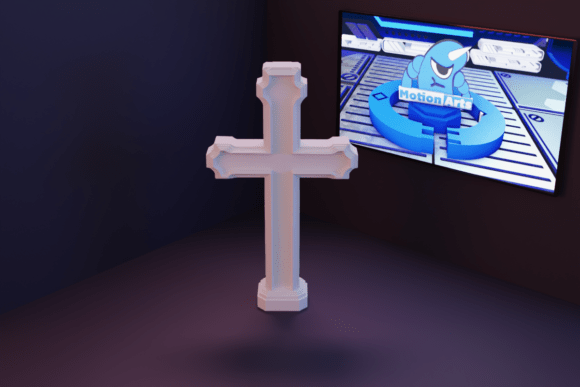
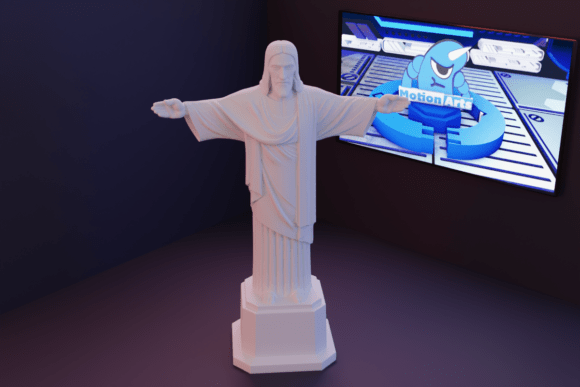
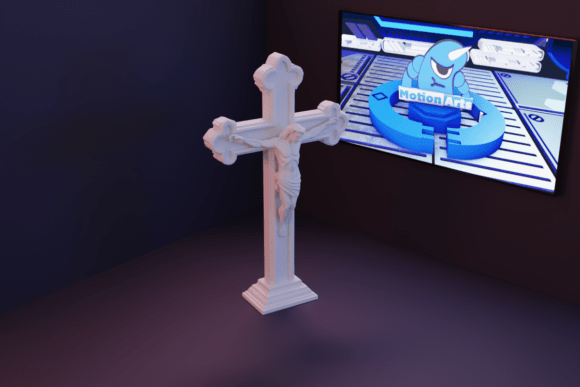
A digital Crucifixo model is typically distributed as an STL (Stereolithography) file, which is the standard format for 3D printing. The specific model referenced in many current discussions is designed with a focus on artistic richness and spiritual symbolism. Unlike mass-produced plastic items found in retail stores, these digital models are often developed with intricate details that mimic traditional sculpting techniques. The goal is to transmit values of devotion, spirituality, and protection through visual artistry.
When evaluating such a model, it is essential to understand that you are purchasing a digital asset, not a physical object. The final product depends entirely on the capabilities of the 3D printer, the type of filament or resin used, and the settings configured in the slicing software. This distinction is crucial for setting realistic expectations. The promise of "artistic finish" in a digital file translates to potential, not guarantee. The user must possess the technical knowledge or access to resources necessary to realize that potential.
Benefits of 3D Printed Religious Icons
There are several compelling reasons why individuals might choose a 3D printed Crucifixo over traditional alternatives. First, accessibility and customization are significant advantages. Users can scale the model to fit specific spaces, whether it is a small desk ornament for personal devotion or a larger piece for wall decoration. This flexibility allows the symbol to integrate seamlessly into various living environments without the constraints of standard manufacturing sizes.
Second, the cost-effectiveness of digital files can be appealing. Once the STL file is acquired, the cost per unit is limited to materials and electricity. For communities or individuals needing multiple items for gifts or church decorations, this can result in substantial savings compared to buying handcrafted wooden or metal crosses. Furthermore, the ability to print on demand eliminates shipping delays and reduces the carbon footprint associated with transporting fragile religious artifacts.
Finally, the educational and creative aspect should not be overlooked. For those interested in the fusion of faith and technology, the process of preparing and printing a Crucifixo can be a meditative practice in itself. It encourages a deeper engagement with the symbol, as the creator invests time and care into bringing the digital design into the physical world.
Technical Considerations and Tradeoffs
While the benefits are notable, prospective users must weigh the technical tradeoffs. The primary challenge lies in print quality and surface finish. Fused Deposition Modeling (FDM) printers, which use plastic filament, often leave visible layer lines. While these can be sanded and painted, achieving a smooth, marble-like, or wooden appearance requires significant post-processing effort. Resin printers offer higher detail and smoother surfaces but involve handling toxic chemicals and require careful curing processes.
Another critical factor is structural integrity. A Crucifixo often features thin extensions, such as the arms of the figure or the ends of the cross. These areas are prone to breaking if not printed with adequate infill density or if the orientation in the slicer is not optimized. The disclaimer associated with many AI-generated or digitally designed models rightly notes that actual results vary. Users must review the file in their slicer software, add support structures where necessary, and potentially experiment with different orientations to ensure a successful print.
Additionally, the aesthetic limitation of plastic materials may not resonate with everyone. Traditional crucifixes derive part of their solemnity from the warmth of wood or the cold permanence of metal. Plastic, even when painted, may lack the same tactile and visual weight. For those seeking a heirloom-quality piece intended to last generations, traditional craftsmanship may still be the superior choice.
Ideal Use Cases for Digital Models
The digital Crucifixo is a strong fit for several specific scenarios. It is ideal for personal devotion spaces where a unique, custom-sized item is desired. It also serves well as a meaningful gift for religious occasions such as baptisms, confirmations, or Easter, particularly when the giver has invested time in printing and finishing the piece. The personal touch adds a layer of sincerity that mass-produced items may lack.
Furthermore, this approach is suitable for educational settings or youth groups where teaching about symbolism can be combined with lessons on modern technology. Creating a Crucifixo can spark conversations about how faith interacts with contemporary culture. It is also a viable option for temporary decorations during liturgical seasons, where durability is less critical than visual impact and ease of replacement.
When to Consider Alternatives
Despite its advantages, the 3D printed route is not always the best option. If you are looking for a central altar piece for a church or a formal home shrine, traditional materials like olive wood, bronze, or carved stone may convey the necessary gravitas and longevity. These materials age gracefully and carry historical significance that plastic cannot replicate.
Additionally, if you lack access to a 3D printer or the technical skills to troubleshoot printing errors, the hassle may outweigh the benefits. In such cases, purchasing a professionally crafted item from a religious goods store ensures a high-quality finish without the learning curve. Similarly, for those who prioritize immediate availability, waiting for a print job—which can take hours or even days—is less practical than buying an off-the-shelf product.
Making an Informed Decision
Choosing whether to pursue a 3D printed Crucifixo involves assessing your priorities. If you value customization, cost-efficiency, and the creative process, and you have access to the necessary technology, this digital model offers a rewarding experience. It allows you to hold a symbol of eternal faith that you have helped bring into existence. However, if you prioritize traditional aesthetics, minimal effort, or heirloom durability, traditional craftsmanship remains the gold standard.
Ultimately, the Crucifixo serves as a reminder of faith, hope, and unconditional love. Whether crafted by hand in a workshop or layered by a 3D printer in a home office, the spiritual significance remains rooted in the intention of the believer. By understanding the technical requirements and aesthetic possibilities of digital models, you can make a choice that best aligns with your spiritual goals and practical circumstances.