Crafting the Perfect Storage Solution: A Guide to Pet Treat Box Laser Cut Designs
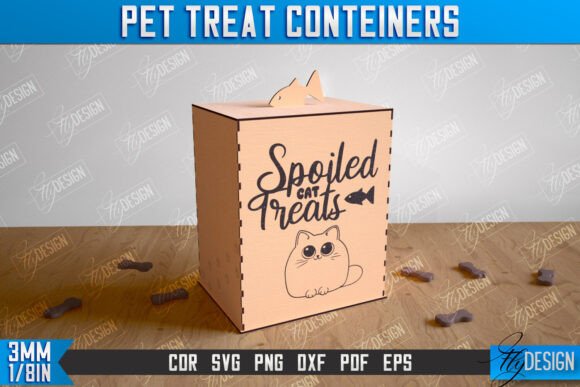
For pet owners and crafting enthusiasts alike, organizing small accessories can often feel like a never-ending battle. Among the most cluttered items are pet treats—those essential rewards that tend to spill out of flimsy plastic bags or get lost in deep kitchen drawers. This is where the Pet Treat Box Laser Cut Design emerges as a compelling solution. It is not merely a container; it is a fusion of functional storage and personalized home decor. By leveraging digital fabrication tools, users can create durable, aesthetically pleasing 3D boxes tailored specifically for cat and dog treats.
Understanding the value of this design requires looking beyond the final product to the process itself. Unlike mass-produced plastic bins, a laser-cut wooden box offers warmth, durability, and a level of customization that factory-made items rarely match. Whether you are a hobbyist with a desktop cutter or a small business owner looking to expand your product line, evaluating this specific type of 3D box design involves considering material compatibility, assembly complexity, and end-user appeal.
The Distinct Appeal of Laser-Cut Wooden Containers
The primary distinction of a Pet Treat Box Laser Cut Design lies in its construction method. These designs are engineered for precision cutting machines, utilizing vector files to dictate exactly where the machine should cut through the material and where it should engrave details. The result is a interlocking 3D structure that typically requires no glue or nails, relying instead on friction-fit joints. This approach appeals to those who value clean lines and structural integrity without the mess of adhesives.
Wood, particularly plywood or MDF (Medium Density Fiberboard), provides a tactile quality that plastic cannot replicate. For pet lovers, this natural aesthetic integrates seamlessly into modern home decor. A sleek, laser-cut box sitting on a kitchen counter or living room shelf looks like a deliberate design choice rather than an eyesore. Furthermore, wood is robust enough to withstand the occasional knock from an eager dog or curious cat, making it a practical long-term investment compared to cardboard or thin plastic alternatives.
Comparing Digital Formats and Compatibility
When sourcing a Pet Food Containers SVG or similar digital asset, understanding file formats is crucial for a smooth workflow. Most high-quality designs come as a zip archive containing multiple file types, including SVG, EPS, PNG, PDF, and DXF. Each format serves a different purpose depending on your software and hardware setup.
- SVG (Scalable Vector Graphics): Ideal for web-based cutting software and many modern desktop applications. It maintains quality at any size.
- DXF (Drawing Exchange Format): Often preferred by users of older or industrial-grade CAD software and certain laser controllers.
- EPS (Encapsulated PostScript): A standard for professional graphic design programs like Adobe Illustrator, allowing for easy editing of nodes and paths.
- PNG and PDF: Useful for previewing the design, printing instructions, or using with print-and-cut methods, though they are not typically used for direct laser vector cutting.
It is vital to ensure your cutting machine and software are compatible with these formats before purchasing. While most modern hobbyist lasers accept SVGs directly, some require conversion to DXF or proprietary formats. Always verify your machine’s capabilities to avoid frustration during the preparation phase.
Design Mechanics: Cut Lines vs. Engrave Lines
A well-executed 3D Cat and Dog Treat Box relies on clear visual cues within the digital file. In professional designs, color coding is used to distinguish between operations. Typically, red lines indicate where the laser should cut completely through the material, while black lines denote areas for engraving. This distinction is critical for achieving the desired depth and detail.
Engraving allows for personalization, such as adding a pet’s name, decorative patterns, or instructional icons. This feature transforms a generic box into a unique gift or a branded product for small businesses. However, users must adjust their laser settings accordingly. Cutting requires higher power and slower speeds, whereas engraving uses lower power and faster speeds to mark the surface without penetrating it. Misinterpreting these lines can lead to ruined materials or incomplete assemblies.
Evaluating Alternatives: When to Choose Laser Cutting
While laser-cut wooden boxes offer significant benefits, they are not the only option for pet treat storage. Comparing them with other approaches helps determine if this is the right choice for your needs.
Laser-Cut Wood vs. 3D Printed Plastic
3D printing has gained popularity for creating custom containers. However, 3D printed parts often exhibit layer lines that can trap crumbs and bacteria, requiring frequent cleaning. Laser-cut wood, when sealed properly, offers a smoother surface that is easier to wipe down. Additionally, laser cutting is generally faster for flat-pack designs, whereas 3D printing large volumes can be time-consuming. If speed and aesthetic warmth are priorities, laser cutting wins. If complex curved geometries are needed, 3D printing might be more suitable.
DIY Kits vs. Pre-Made Plastic Bins
Pre-made plastic bins are convenient but lack character and often contribute to environmental waste. DIY laser-cut kits engage the user in the creation process, providing a sense of accomplishment. They also allow for material choices, such as bamboo or walnut, which elevate the perceived value. For those who enjoy hands-on projects or wish to sell handmade goods, the DIY route offers greater creative control and potential profit margins.
Practical Considerations and Limitations
Before committing to a Pets Food Boxes SVG project, consider the limitations. Laser cutting produces smoke and fumes, especially when working with certain woods or plastics. Proper ventilation is non-negotiable. Additionally, the thickness of the material must match the design specifications. A file designed for 3mm plywood will not assemble correctly if cut from 5mm board. Always check the designer’s notes for recommended material thicknesses.
Assembly can also present a challenge. While friction-fit joints are elegant, they require precise cutting. If your laser lens is dirty or your focus is off, the pieces may fit too loosely or too tightly. Sanding edges and testing fits on scrap material before cutting the final piece is a prudent step. For beginners, starting with simpler designs before tackling intricate 3D structures can build confidence and skill.
Best-Fit Scenarios for Pet Treat Boxes
This type of project is ideal for several audiences:
- Small Business Owners: Creating unique, branded packaging for artisanal pet treats can differentiate a product in a crowded market. The ability to engrave logos adds professional polish.
- Gift Makers: A personalized treat box makes a thoughtful gift for new pet owners. Adding the pet’s name via engraving creates an emotional connection that store-bought items lack.
- Home Organizers: For individuals seeking to reduce kitchen clutter with stylish solutions, these boxes serve dual purposes as storage and decor.
If you need a quick, disposable solution or lack access to a laser cutter, this may not be the best path. However, for those valuing sustainability, craftsmanship, and customization, the investment in time and equipment pays off in both utility and satisfaction.
Making the Right Choice
Selecting the right 3d Wooden Box design involves balancing aesthetics with functionality. Look for designs that include clear instructions and multiple file formats to ensure compatibility. Consider the size of the treats you intend to store; kibble sizes vary significantly between breeds, so adjustable or appropriately sized compartments are essential.
Remember that support is often available from designers. If you encounter issues with file types or need adjustments, reaching out can save time. Many creators are willing to provide alternative formats or guidance on scaling. This collaborative aspect enhances the user experience and ensures successful project completion.
In conclusion, the Pet Treat Box Laser Cut Design represents a harmonious blend of technology and tradition. It offers a sustainable, attractive, and highly customizable alternative to conventional storage options. By understanding the technical requirements, comparing it with other methods, and recognizing its best-use cases, you can make an informed decision that enhances both your crafting journey and your pet’s daily routine.