3D Layered Floral Papercut Art
There is a distinct satisfaction in transforming a flat sheet of paper into a piece of art that breathes with depth and shadow. The 3D Layered Decorative Floral Papercut represents more than just a craft trend; it is a sophisticated method of storytelling through material and light. By stacking individual layers of cut paper, creators can mimic the organic complexity of nature, producing botanical designs that feel alive. This technique bridges the gap between traditional hand-cutting and modern digital fabrication, making it accessible to both seasoned artists and enthusiastic beginners.
Whether you are designing for a client, creating a heartfelt gift, or decorating your own living space, understanding how to leverage these layered designs can elevate your creative output. The key lies not just in the cutting, but in the thoughtful assembly and presentation of each element.
The Appeal of Dimensional Paper Craft
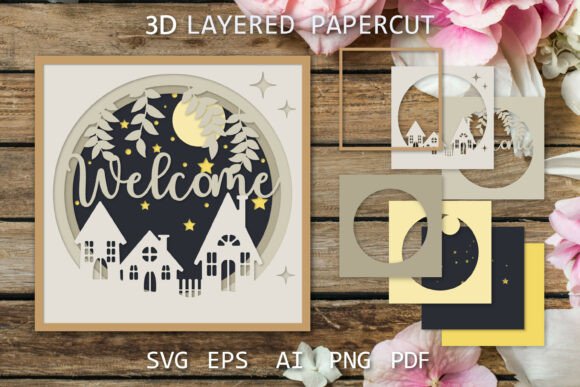
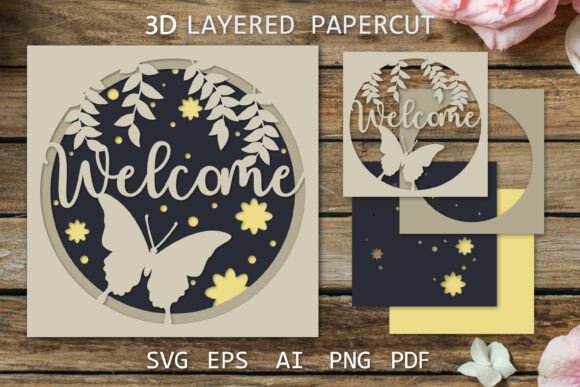
Flat illustrations have their place, but they often lack the tactile presence that draws viewers in. A 3D Layered Decorative Papercut SVG Floral Craft introduces physical depth, allowing light to interact with the artwork. As shadows fall between the layers, the floral motifs gain volume and realism. This interplay of light and shadow creates a dynamic visual experience that changes depending on the viewing angle and ambient lighting conditions.
For designers and marketers, this dimensionality offers a unique selling point. In a digital world saturated with two-dimensional images, physical or photorealistic 3D paper art stands out. It conveys effort, precision, and an appreciation for detail. For hobbyists, the process is meditative. The act of assembling each layer requires focus and patience, resulting in a tangible reward that feels significantly more substantial than a standard printout.
Versatility Across Creative Projects
One of the greatest strengths of this medium is its adaptability. The same core design can be interpreted in vastly different ways depending on the materials, scale, and context. Here is how various creators can apply these floral layers to meet specific goals:
- Home Decor and Wall Art: Large-scale assemblies work beautifully as focal points in living rooms or bedrooms. Using high-quality cardstock in varying shades of green and cream can create a monochromatic, elegant look. Alternatively, bold colors can make a statement in a modern nursery or office space.
- Shadow Boxes: Encasing the layered flowers in a deep frame protects the delicate paper while enhancing the 3D effect. The glass front keeps dust away, ensuring the artwork remains pristine for years. This is ideal for preserving wedding bouquets or commemorative dates.
- Greeting Cards and Invitations: Miniaturized versions of these designs add a luxury touch to handmade cards. A single, well-placed floral layer on a wedding invitation suggests sophistication and personal care.
- Commercial Products: Small business owners can use these designs for product packaging, lampshades, or decorative book covers. The intricate details photograph well, making them excellent for social media marketing content.
Technical Precision and File Compatibility
To achieve clean, professional results, the quality of your source files is paramount. A well-designed 3D Layered Decorative Floral Papercut relies on precise vector paths. When working with digital cutting machines like Cricut or Silhouette, the difference between a jagged edge and a smooth curve often comes down to the file format and resolution.
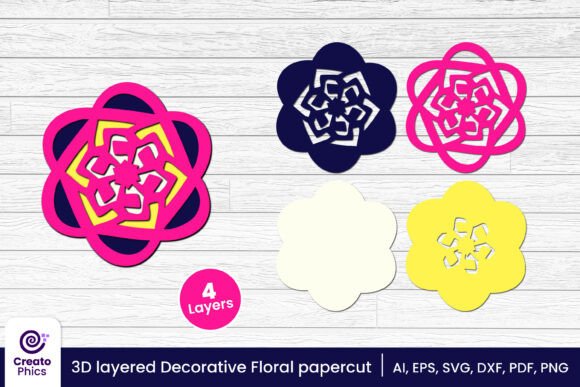
The included file formats—EPS, PDF, AI, SVG, and DXF—ensure compatibility across a wide range of software and hardware. Vector files like SVG and AI allow for infinite scaling without loss of quality, which is crucial if you need to adjust the size from a small card insert to a large wall panel. For those using laser cutters, the DXF format provides the necessary precision for clean burns and cuts.
Additionally, having access to PNG files at 300 DPI with separate layers is invaluable for digital mockups. Before committing to cutting expensive paper, you can assemble the design digitally to test color combinations and spacing. This step saves time and materials, allowing for experimentation without waste.
Material Selection and Assembly Tips
The choice of paper significantly impacts the final aesthetic. While standard cardstock is a common choice, consider experimenting with textured papers, vellum, or even thin wood veneer for a different feel. Heavier paper holds its shape better in larger frames, while lighter paper allows for more delicate, intricate cuts.
When assembling your 3D Layered Decorative Papercut SVG Floral Craft, consistency is key. Use foam adhesive squares or double-sided tape with varying thicknesses to create uniform spacing between layers. This ensures that the shadows are even and the depth looks intentional rather than accidental. Start from the background layer and work your way forward, checking alignment frequently. A lightbox can be helpful here, allowing you to see through the layers and ensure perfect registration.
For beginners, it is advisable to start with designs that have fewer layers. This reduces complexity and helps you master the basics of spacing and adhesion before tackling more intricate multi-layered projects. As your confidence grows, you can explore designs with finer details and more complex color gradients.
Customization for Unique Audiences
Personalization transforms a generic craft into a meaningful object. Educators can use these floral designs to teach geometry and symmetry, showing students how complex patterns emerge from simple shapes. Freelancers can offer customized color palettes to match a client’s brand identity, integrating corporate colors into natural forms for a unique office decor piece.
For wedding planners, these designs offer a sustainable alternative to fresh flowers. They do not wilt, can be kept as keepsakes, and can be tailored to match any theme. By adjusting the color scheme to soft pastels or deep jewel tones, the same floral structure can evoke different moods, from romantic and airy to dramatic and bold.
Maintaining Quality and Originality
While using pre-made templates is efficient, adding your own touch ensures originality. Consider mixing elements from different designs, altering the color progression, or combining paper cuts with other media like watercolor backgrounds or gold leaf accents. This hybrid approach creates a unique signature style that sets your work apart.
Keep your workspace organized. Label your layers clearly during the cutting process to avoid confusion during assembly. Store unused cut pieces in labeled envelopes for future repairs or smaller projects. This discipline not only speeds up your workflow but also reduces frustration, allowing you to focus on the creative aspects of the project.
Ultimately, the 3D Layered Decorative Floral Papercut is a versatile tool in the modern creator’s arsenal. It combines the precision of digital technology with the warmth of handmade craft. By understanding the technical requirements and exploring diverse applications, you can create works that are not only visually stunning but also deeply engaging. Whether for personal enjoyment or professional development, mastering this art form opens up new avenues for expression and connection.